What Does a Fairy Tattoo Mean? Symbolism Explained
Discover what a fairy tattoo means and its rich symbolism. Explore magic, freedom, nature, and femininity behind this enchanting ink choice.
So you have been thinking about getting a fairy tattoo, or maybe you have already got one and now you are curious about the deeper layers of meaning behind it. Either way, you are in the right place. Fairy tattoos have been dancing across skin for decades, and they carry a whole lot more weight than most people realize. They are not just cute little winged creatures plucked from a storybook. There is real symbolism tucked inside those delicate wings and ethereal poses, and once you start peeling back the layers, you will find connections to mythology, personal identity, and even spiritual growth. In this guide on what does a fairy tattoo mean and symbolism explained, we are going to dig into every angle so you can appreciate just how much these tiny beings say about the person wearing them.
The Ancient Roots of Fairy Mythology and Tattoo Culture
Before we jump into the tattoo side of things, it helps to understand where fairies actually come from. And no, we are not talking about Tinker Bell, though she certainly played her part in pop culture. Fairies trace their origins back thousands of years through Celtic, Germanic, and Slavic folklore. In these old traditions, fairies were not always the sweet, sparkly beings we picture today. They were often seen as powerful nature spirits who could bless you with good fortune or curse you if you crossed them. Pretty wild, right?
In Celtic lore, fairies inhabited the spaces between the mortal world and the spirit realm. They lived in ancient mounds, beneath rivers, and inside sacred groves. People left offerings of milk and bread at fairy rings to stay on their good side. These beings represented the untamed forces of nature, and respecting them was not optional. It was survival.
When tattoo culture started blending with these old myths, the fairy became a natural choice. Getting one inked on your body was like carrying a piece of that ancient magic with you everywhere you went. It was a nod to the unseen world, a declaration that you believed in something beyond the ordinary. And honestly, that is a sentiment that resonates with people just as much today as it did centuries ago.
What Does a Fairy Tattoo Mean? Symbolism Explained in Full Detail
Now let us get to the heart of the matter. When someone asks what does a fairy tattoo mean, the answer is never just one thing. These tattoos are layered with meaning, and the specific symbolism often depends on the design, the colors chosen, and the personal story of the wearer. That said, there are several core themes that pop up again and again.
Freedom is probably the biggest one. Fairies fly. They are not tied down by gravity or rules or expectations. For a lot of people, a fairy tattoo is a declaration of personal liberty. It says, "I refuse to be boxed in." Whether someone has broken free from a difficult relationship, overcome a tough chapter in life, or simply values their independence above all else, a fairy tattoo captures that spirit beautifully.
Then there is the connection to nature. Fairies are creatures of the earth, the forest, and the garden. They are woven into flowers, moonlight, and running streams. A fairy tattoo often reflects a deep love for the natural world and a desire to stay connected to it, even in the middle of a concrete jungle. For nature lovers and outdoor enthusiasts, this particular meaning hits close to home.
Magic and wonder round out the trio of big themes. Let us face it, the world can feel pretty mundane sometimes. Bills, deadlines, traffic jams. A fairy tattoo serves as a little reminder that magic still exists if you are willing to look for it. It is an invitation to keep your sense of wonder alive, no matter how old you get or how many responsibilities pile up on your shoulders.
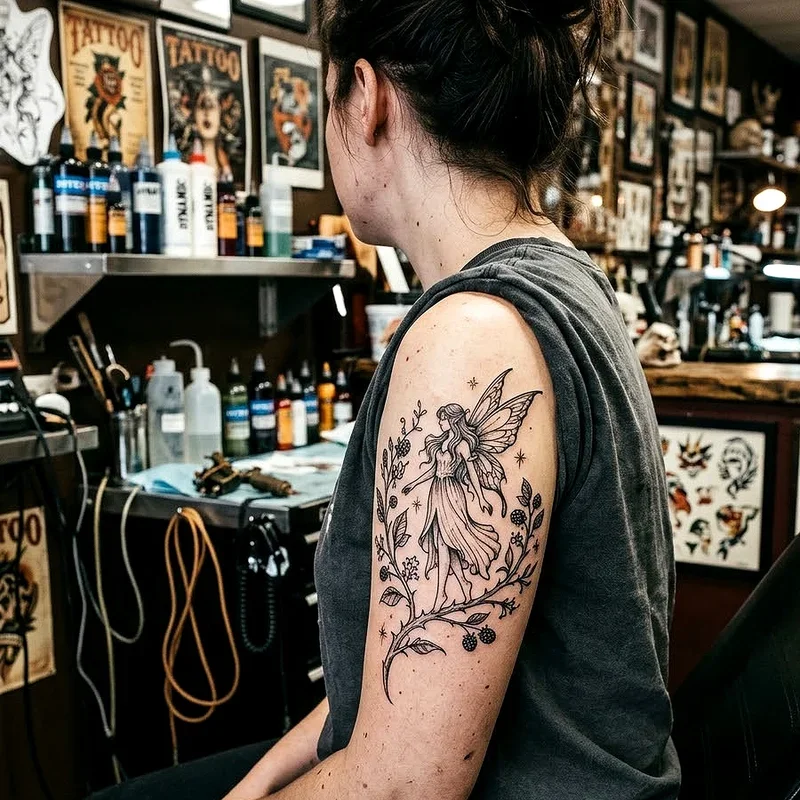
Femininity, Empowerment, and the Fairy Tattoo
One thing you will notice pretty quickly is that fairy tattoos have a strong connection to femininity. And we are not talking about the outdated, passive version of femininity either. Modern fairy tattoos celebrate strength, resilience, and fierce independence wrapped in an aesthetic that is undeniably graceful. It is power dressed in beauty, and there is something incredibly compelling about that combination.
Many women choose fairy tattoos as a way to honor their own journey toward self empowerment. The fairy becomes a personal symbol of transformation, of becoming something more than what the world expected. Think about it. Fairies in folklore were never passive bystanders. They shaped events, influenced destinies, and commanded respect. A woman wearing a fairy tattoo is often tapping into that same energy.
Of course, fairy tattoos are not exclusively feminine. Plenty of men get them too, drawn to the symbolism of freedom, rebellion, and connection to the mystical. The beauty of tattoo art is that meaning is personal, and nobody gets to dictate what a design should represent for someone else.
Different Fairy Tattoo Styles and What They Represent
The style of your fairy tattoo says just as much as the fairy itself. Here is a quick look at how different approaches shift the symbolism.
A classic or traditional fairy, with bright colors and clean lines, tends to lean into nostalgia and childhood wonder. It is playful, optimistic, and carries a certain retro charm that never really goes out of fashion.
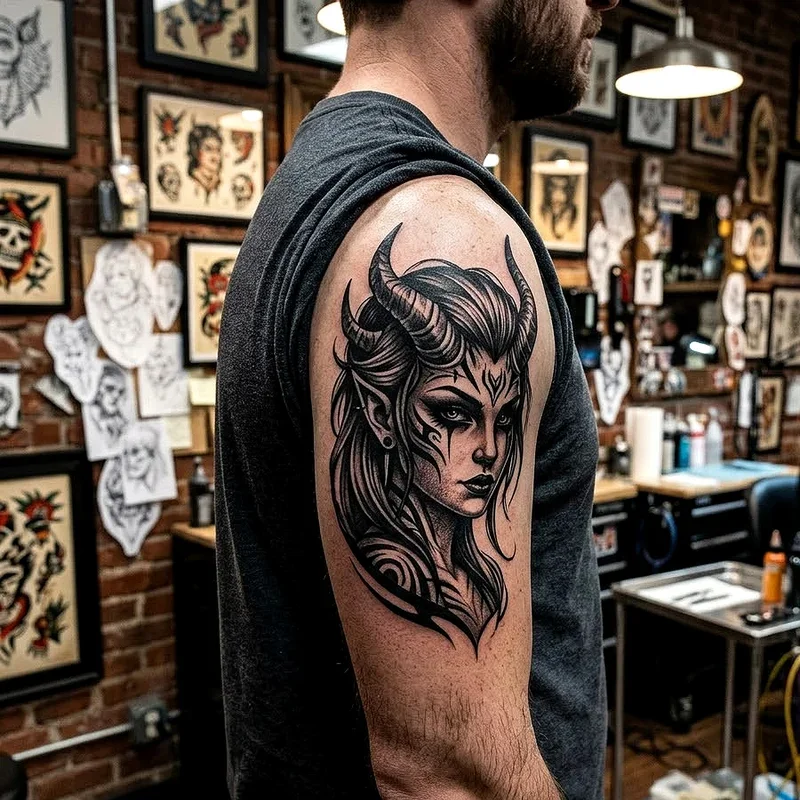
A dark or gothic fairy flips the script entirely. These designs often feature shadowy wings, thorns, and moody color palettes. They represent the darker side of fairy mythology, the trickster, the mischievous spirit, the creature who does not play by anybody's rules. People drawn to this style often identify with the rebel archetype.
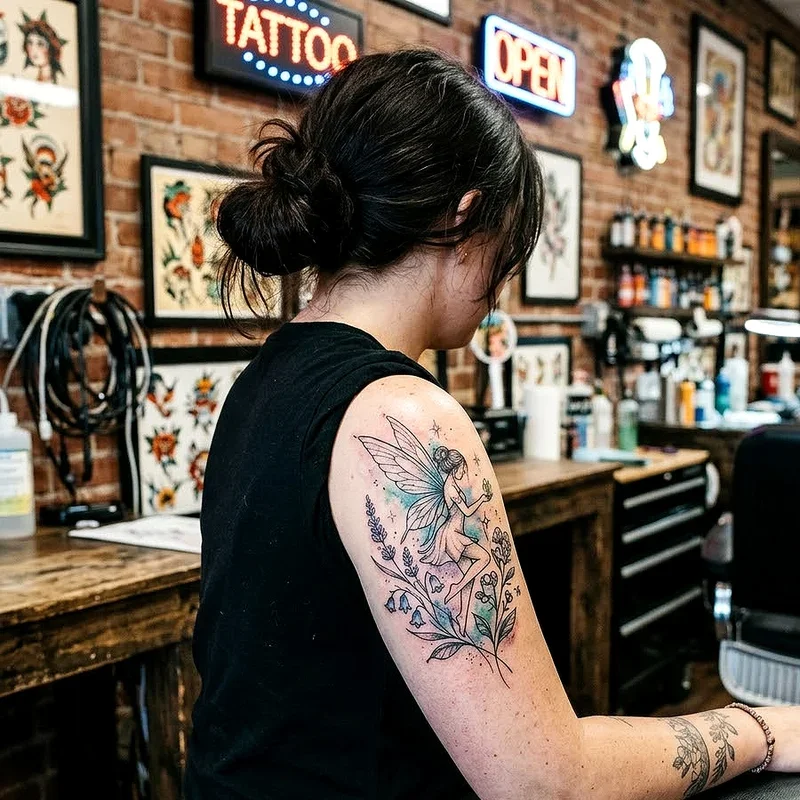
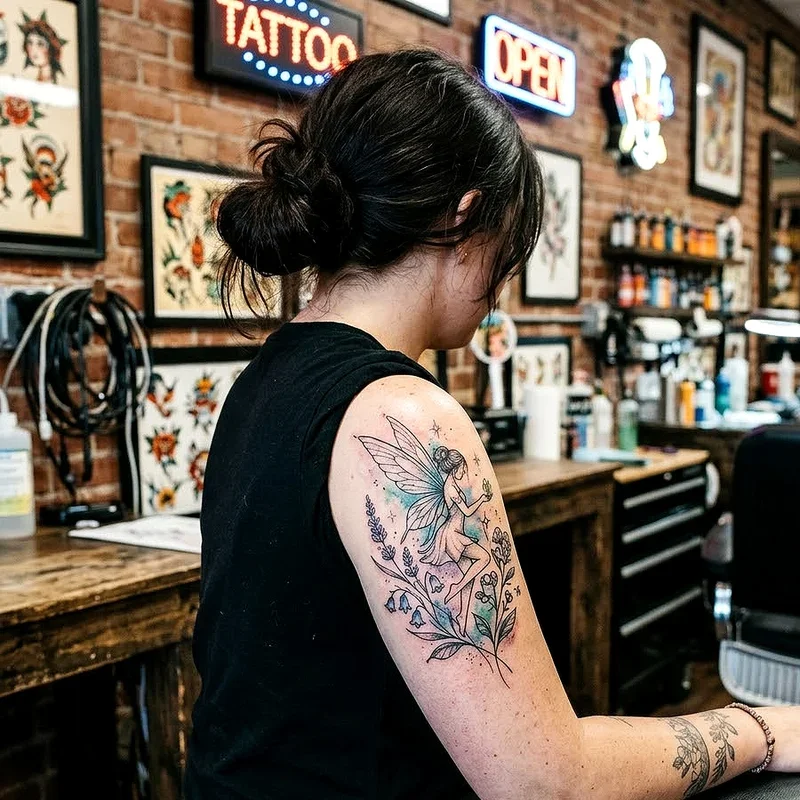
A watercolor fairy uses soft, bleeding colors to create a dreamlike effect. This style emphasizes emotion and fluidity, and it tends to attract people who value creativity, artistic expression, and living life in the moment rather than sticking to rigid plans.
A realistic fairy goes for lifelike detail, from the texture of the wings to the expression on the face. This approach often signals a deeper, more serious connection to fairy mythology and a desire to honor it with respect and precision.
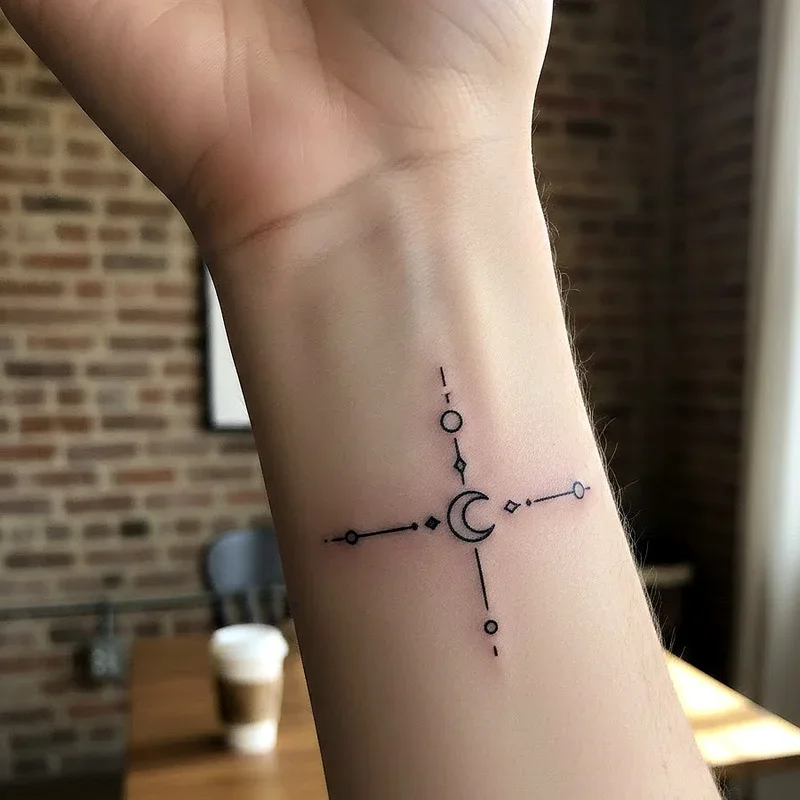
A minimalist fairy strips everything down to simple lines and basic shapes. It is understated and elegant, perfect for someone who wants the meaning without the visual drama. Less is more, and sometimes a few well placed lines say everything that needs saying.
The Spiritual Dimension of Fairy Tattoos
Beyond the aesthetic and personal meanings, fairy tattoos carry spiritual significance for quite a few people. In various pagan and Wiccan traditions, fairies are considered real entities, spiritual beings who inhabit a plane parallel to our own. Getting a fairy tattoo in this context is not just decorative. It is an act of devotion, a way to invite fairy energy into your life and acknowledge your connection to the spirit world.
Some people believe that fairy tattoos serve as protective symbols. The idea is that the fairy acts as a guardian, watching over the wearer and shielding them from negative energy. Whether or not you buy into the metaphysical side of things, there is no denying the comfort that comes from carrying a symbol of protection on your body. It is like having a tiny, invisible ally on your side at all times.
Others see the fairy as a spirit guide, a reminder to trust your intuition and follow the path that feels right even when logic says otherwise. In a world that constantly demands rational explanations for everything, a fairy tattoo can be a quiet rebellion against that pressure. It whispers, "Not everything needs to make perfect sense."
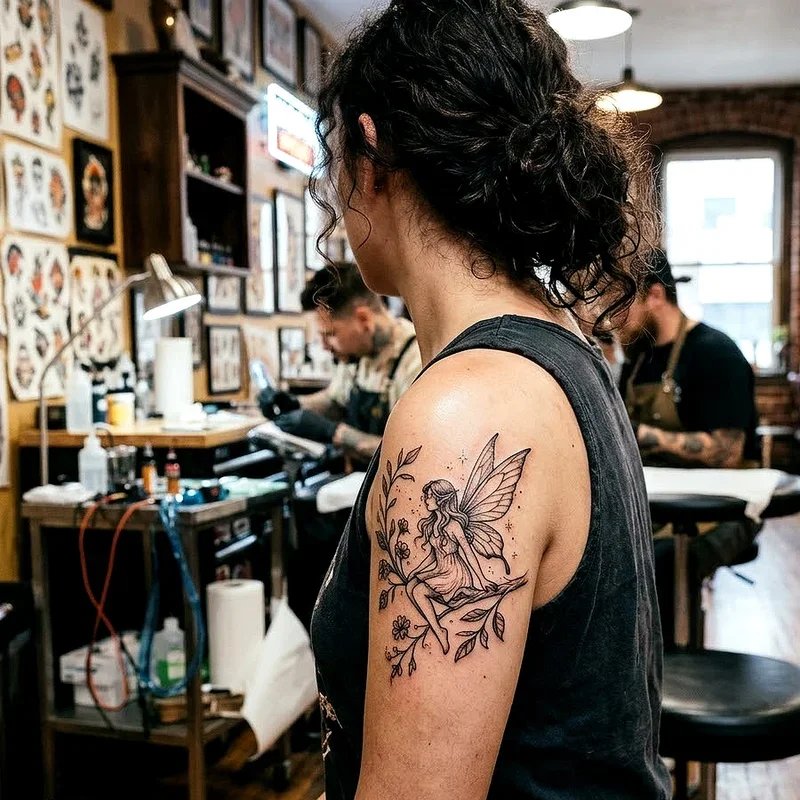
Placement Matters More Than You Think
Where you put your fairy tattoo is not just a practical decision. It actually adds another layer of meaning to the design. Different placements carry different energies, and choosing wisely can make your tattoo feel even more personal.
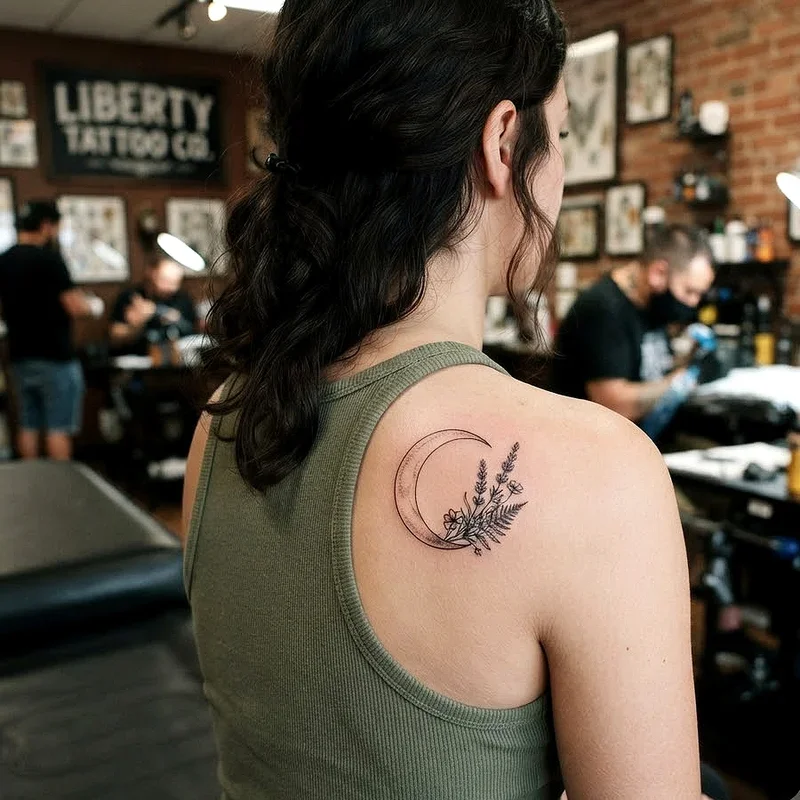
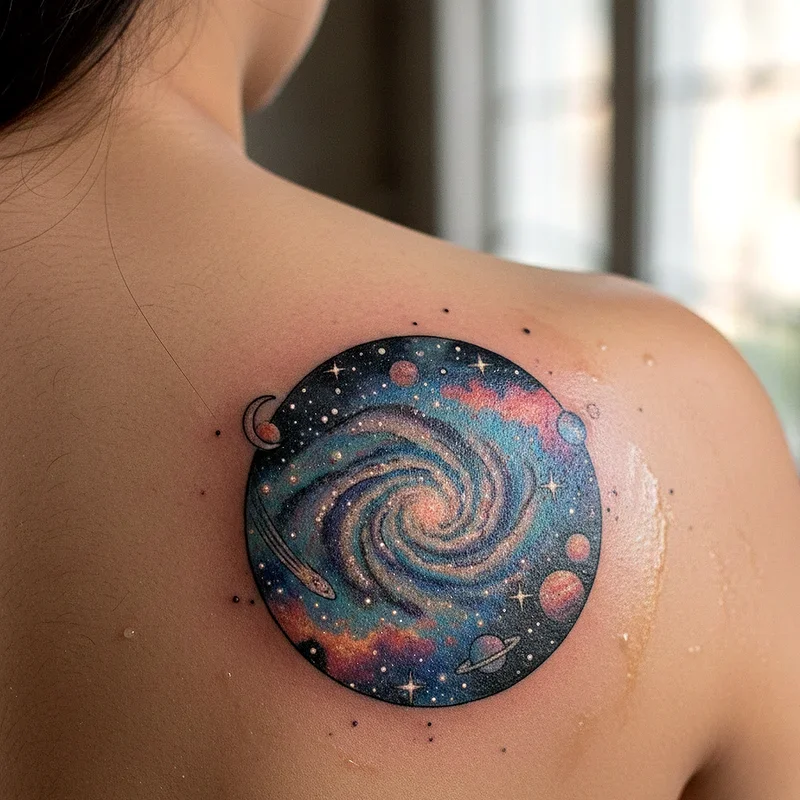
The shoulder blade is one of the most popular spots. Placing wings near your own shoulder blades creates a visual connection between you and the fairy. It suggests that you carry your own wings, even if the world cannot always see them. That is a pretty powerful statement wrapped in a simple placement choice.
The ankle or foot placement ties the fairy to the earth, emphasizing the nature connection and grounding energy. It is a subtle location that keeps the tattoo personal and intimate.
The wrist or forearm puts the fairy in your line of sight every single day. For people who got the tattoo as a reminder of something important, a goal, a value, a turning point, this placement keeps that message front and center.
The ribcage or side placement is often chosen for larger, more detailed designs. It is a private spot, which suggests that the meaning behind the tattoo is deeply personal and not necessarily something the wearer shares with the whole world.
The back allows for sprawling, elaborate compositions. Fairies surrounded by flowers, forests, or celestial elements look stunning across a full back piece, and the placement gives the artist plenty of room to bring the vision to life.
Color Symbolism in Fairy Tattoos
Color choices in a fairy tattoo are far from random. Each shade carries its own meaning, and mixing them together creates a unique statement.
Green fairies connect strongly to nature, growth, and healing. They evoke images of forests and meadows and suggest a personality rooted in balance and renewal.
Blue fairies lean into themes of calm, wisdom, and spiritual depth. A blue fairy tattoo often belongs to someone who values peace of mind and thoughtful reflection over impulsive action.
Purple fairies are tied to mystery, royalty, and the supernatural. Purple has always been associated with the mystical, and a purple fairy amplifies that connection tenfold.
Red or pink fairies bring passion, love, and fierce emotion to the table. These colors add warmth and intensity to the design, suggesting someone who leads with their heart.
Black and grey fairies strip away the color to focus on form and shadow. This approach lends the tattoo a timeless, classic quality and often emphasizes the darker, more complex aspects of fairy symbolism.
Who Gets Fairy Tattoos and Why
Fairy tattoos attract a surprisingly diverse crowd. You might expect them to appeal mainly to one demographic, but the reality is far more interesting. Artists, musicians, free spirits, and spiritual practitioners are drawn to them for obvious reasons. But so are professionals, parents, and people who you would never guess had ink under their business attire.
What ties all these people together is a shared appreciation for symbolism and a desire to wear something meaningful on their skin. A fairy tattoo is rarely an impulse decision. Most people who get one have thought carefully about the meaning behind it, and that thoughtfulness shows in the designs they choose and the stories they tell about them.
For some, the tattoo marks a specific life event. Surviving an illness, leaving a bad situation, finding a new sense of purpose. For others, it is a lifelong love of mythology and fantasy finally finding physical expression. And for a smaller but no less passionate group, it is a spiritual practice made visible.
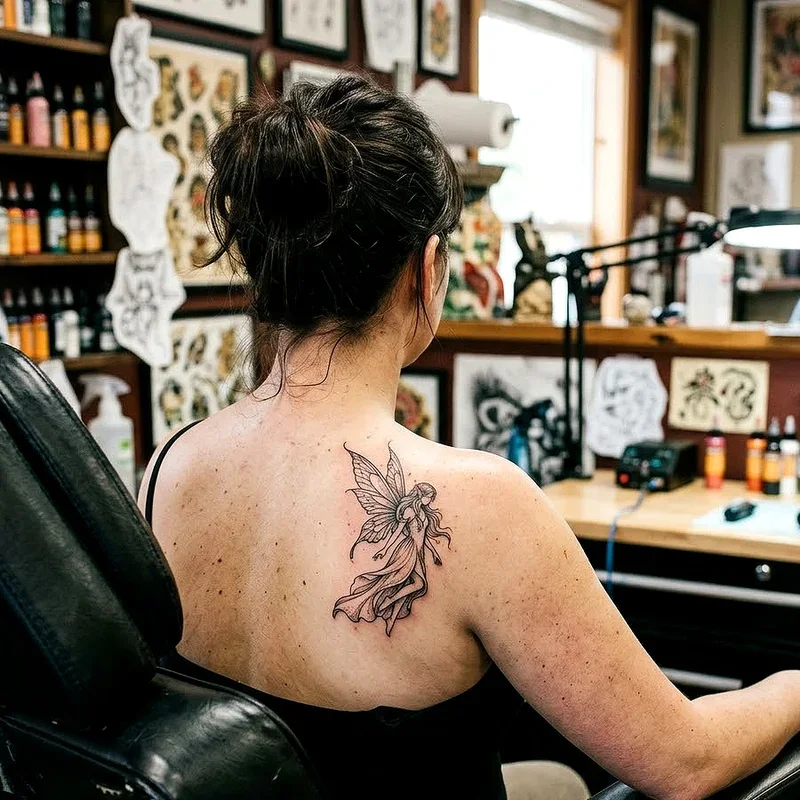
How Fairy Tattoos Have Evolved Over the Years
Fairy tattoos have come a long way since the early days of tattooing. In the mid twentieth century, they tended to be simple, cartoonish figures with basic outlines and flat colors. Think vintage pinup art meets Saturday morning cartoons. These designs were fun and lighthearted, but they did not always capture the depth of meaning that fairy symbolism holds.
As tattoo artistry advanced through the eighties and nineties, fairy designs became more sophisticated. Artists started incorporating realistic anatomy, detailed wings modeled after actual insects, and complex backgrounds that placed the fairy in a fully realized scene. The symbolism deepened alongside the artistry. Fairies were no longer just decoration. They were storytelling tools.
Today, the possibilities are practically endless. Digital design tools, advanced techniques like fine line and micro realism, and a broader cultural appreciation for tattoo art have all contributed to an era where fairy tattoos can be anything from a tiny wrist piece to a full back masterpiece. What does a fairy tattoo mean and symbolism explained continues to evolve as new generations bring their own interpretations and experiences to the design.
Conclusion
A fairy tattoo is so much more than a pretty picture on your skin. It carries centuries of mythology, personal meaning, and symbolic weight that makes it one of the most versatile designs in tattoo culture. Whether you are drawn to the themes of freedom, nature, magic, femininity, or spiritual protection, a fairy tattoo speaks volumes without saying a single word. Choosing one is an intimate act of self expression that connects you to something timeless and deeply personal.
Read next: 15 It Is Well With My Soul Tattoo Ideas You'll Love
Frequently Asked Questions
Q1. What does a fairy tattoo symbolize most commonly?
A: Fairy tattoos most commonly symbolize freedom, magic, nature connection, and personal empowerment for wearers.
Q2. Are fairy tattoos only popular among women?
A: No, fairy tattoos attract all genders because their symbolism of freedom transcends gender boundaries.
Q3. Does the color of a fairy tattoo change its meaning?
A: Yes, each color adds unique meaning, like green for nature or purple for mystery.
Q4. Where is the best placement for a fairy tattoo?
A: Popular placements include shoulder blades, ankles, wrists, and ribs depending on personal preference.
Q5. Can a fairy tattoo have spiritual significance?
A: Absolutely, many people view fairy tattoos as protective symbols or connections to spiritual realms.
Stay up to date with our latest ideas!